In an increasingly mobile world, developers and digital nomads are constantly seeking ways to stay connected, productive, and secure—no matter where their journey takes them. Connectivity is no longer just about having internet access; it’s about managing digital workflows, collaborating efficiently, and ensuring flexibility across borders. At esimm8.com, we understand the critical importance of reliable digital infrastructure, which is why we’re spotlighting the key tools and strategies that make remote work sustainable and smooth—especially when enhanced by an eSIM with voice and SMS capabilities.
1. eSIMs: The Foundation of Global Connectivity
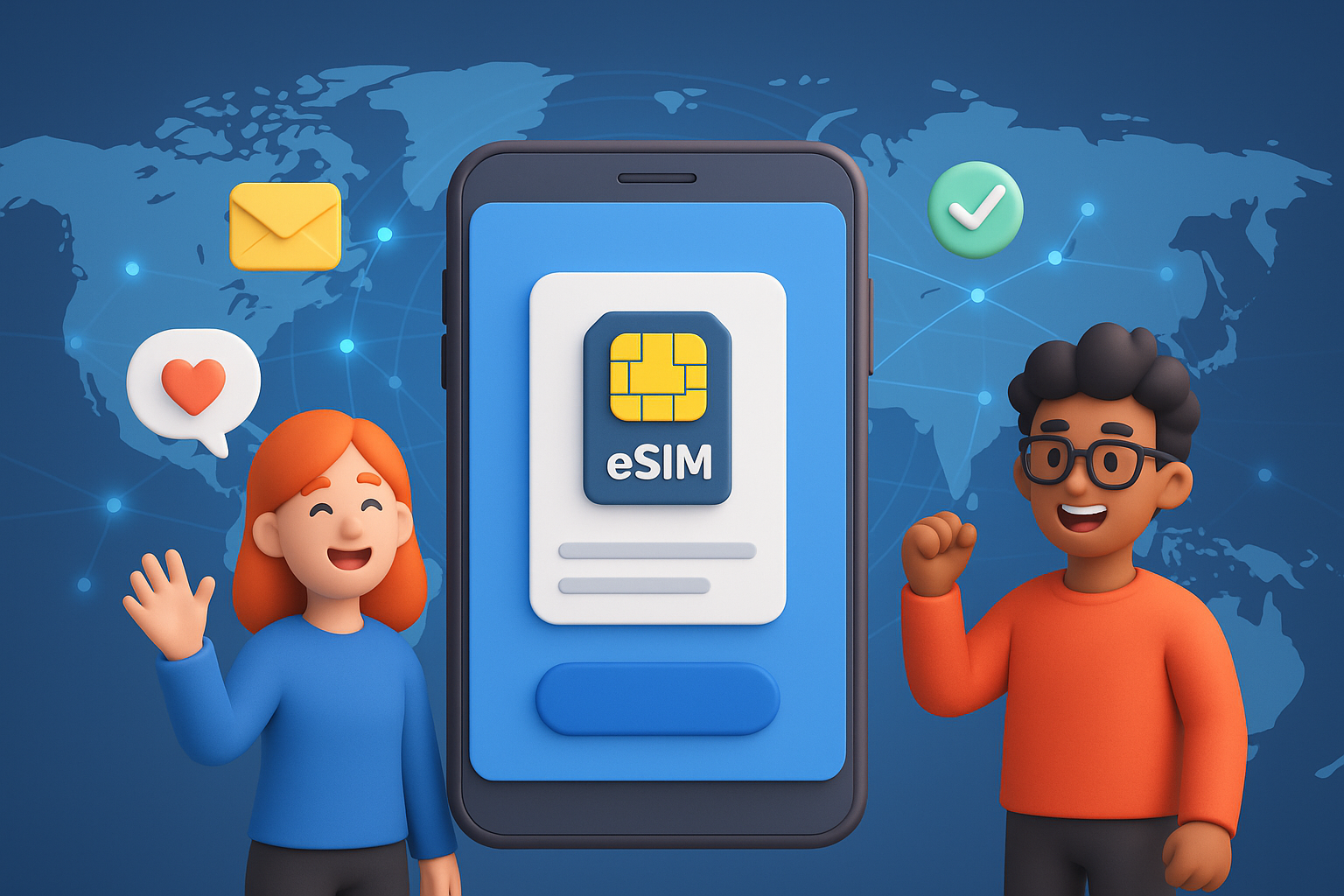
For developers and digital nomads, a physical SIM card is a relic of the past. Modern professionals need instant and flexible connectivity. An eSIM with voice and SMS capabilities provides seamless communication without the hassle of switching cards when traveling. Beyond data, having integrated voice and messaging functions makes connecting with clients, partners, or platforms much more efficient.
The global nature of development work means your connectivity shouldn’t stop at borders. An eSIM allows over-the-air provisioning, so you can activate local plans on demand. Tools like those offered by esimm8.com make this process intuitive, supporting integration within enterprise systems or remote workforce management platforms.
2. Secure Cloud-Based Development Environments
Cloud-hosted development platforms like GitHub Codespaces, Gitpod, and Replit have changed the way teams collaborate. Instead of heavy local setups, developers can code in managed, cloud-based environments with consistent dependencies and version control. This enhances team scalability and keeps projects moving, regardless of location.
For integrators deploying applications globally, a stable connection through an eSIM-enabled device ensures latency is minimized when working with these remote IDEs. Combining resilient data access with secure VPNs leads to uninterrupted workflows—critical when managing client deliverables or live systems abroad.
3. Project Management and Integration Tools
When teams are dispersed worldwide, structure and organization become crucial. Applications like Jira, Asana, and Trello provide the backbone for coordinated development, allowing remote engineers to stay aligned with project milestones. Integrators can leverage APIs to automate updates, task creation, and reports directly tied to version control systems.
However, these tools rely on consistent online access. This is another scenario where an eSIM with voice and SMS capabilities ensures portability—teams stay updated, mobile alerts are received in real time, and voice calls for sprint discussions or troubleshooting can occur without needing local SIM swaps.
4. Communication and Collaboration Suites
Slack, Microsoft Teams, and Zoom have become the lifeblood of distributed workforces. While these tools streamline communication, they demand bandwidth and security. Developers on the move often face connectivity bottlenecks or unreliable coverage, especially while transitioning between countries.
By integrating an eSIM with both voice and SMS capabilities, digital nomads maintain redundant channels of communication. Even in areas with limited Wi-Fi reliability, cellular fallback ensures your communications—whether calls, chats, or authentication codes—remain uninterrupted.
5. Secure Remote Access and Authentication Tools
Data breaches and unauthorized access have become persistent risks for mobile professionals. Solutions like 1Password, Google Authenticator, and Duo Security safeguard credentials, but they rely on timely verification messages and codes. Developers working remotely benefit from eSIMs with SMS capabilities, which ensure that two-factor authentication remains seamless regardless of network operator or location.
Moreover, developers managing client environments or cloud instances can integrate secure tunnels or VPNs managed through identity-based controls. A reliable and encrypted mobile connection reduces the exposure to public Wi-Fi vulnerabilities.
6. Automation and Cloud Integration Frameworks
Automation is the hidden engine behind global digital work. Services like Zapier, n8n, or AWS Lambda automate repetitive tasks, integrate APIs, and orchestrate multi-cloud systems. For integrators, having a remote device connected via eSIM ensures monitoring and CI/CD pipelines function consistently—even from remote regions.
Continuous connectivity through mobile data prevents downtime in webhook triggers or deployment notifications. esimm8.com supports developers looking to embed communication and data management features that complement automated flows through reliable, global mobile connectivity.
7. Performance Monitoring and Diagnostics Tools
In the digital industry, visibility is power. Tools like Datadog, Grafana, and Sentry supply deep insight into system health and performance tracking. Mobile professionals often need to verify system metrics or respond to alerts while on the go.
Thanks to eSIM-enabled mobile devices, developers can access dashboards, respond to incidents, or even reboot nodes securely from anywhere. Combined with push notifications and SMS commands, this setup drastically reduces response time and ensures digital reliability across systems.
8. Financial and Administrative Management Platforms
Digital nomads and integrators must also manage client billing, supplier payments, and tax compliance remotely. Tools like Wise, Payoneer, and QuickBooks Online simplify international financial administration. The ability to verify transactions via SMS or receive voice authentication codes while traveling further underscores the importance of using an eSIM with voice and SMS capabilities.
With secure, continuous access to these services, professionals avoid communication gaps that could delay projects or payments—maintaining business flow wherever they are.
9. Knowledge-Sharing and Learning Communities
Continuous learning is vital in the digital industry. Platforms like Stack Overflow, GitHub Discussions, and Dev.to enable collaboration and mentorship beyond formal teams. Reliable connectivity ensures that developers can actively contribute or seek feedback on projects in real time, regardless of time zone.
Pairing these platforms with a stable mobile network via esimm8.com ensures participation without interruption, turning every location into a potential workspace and classroom.
10. Remote Device Management and IoT Integration
As more devices become connected, the boundary between personal mobility and infrastructure management blurs. IoT platforms such as AWS IoT Core, Azure IoT Hub, and Node-RED demand always-on connectivity for monitoring smart devices and edge computing nodes.
For integrators, deploying an eSIM with voice and SMS capabilities inside IoT gateways ensures remote command execution and alert delivery, essential for diagnostics and maintenance. This opens a new dimension of digital flexibility for industries ranging from logistics to environmental monitoring.
Conclusion: Building a Seamless Digital Lifestyle
Mastering the tools above transforms how developers and digital nomads connect, collaborate, and create from anywhere. The blend of secure cloud environments, automation platforms, and reliable connectivity forms the backbone of global productivity. At the heart of this ecosystem lies the unsung hero: the eSIM with voice and SMS capabilities.
At esimm8.com, we enable professionals to simplify international communication, maintain integrated workflows, and embrace a truly borderless digital life. Explore our services today and experience the freedom of seamless global connectivity designed for the future of work.


