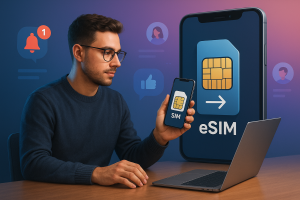


Meet Alex. Backend engineer by day, hostel-hopping code whisperer by night. Alex was your typical digital nomad—with one exception: after missing one too many 2FA texts and accidentally ghosting a recruiter in Berlin, Alex decided it was time to rethink mobile connectivity. That’s when esimm8.com entered the scene faster than a rogue semicolon crashing a build.
The Problem: One Phone, Multiple Headaches
Before esimm8, Alex juggled three SIM cards (don’t ask), two messaging apps, and an almost ritualistic hunt for local top-up kiosks. He’d land in a new country and spend half a day hunting connectivity like a developer hunts memory leaks. The final straw? Losing authentication access to his code repo because his physical SIM didn’t survive a scuba diving mishap in Bali. Classic Alex.
The (e)SIM-ple Solution
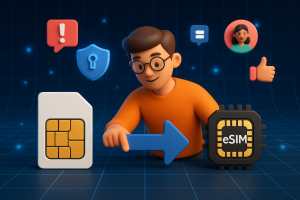
We handed Alex an eSIM with voice and SMS capabilities and taught his phone a few new tricks. Suddenly, he could maintain a single global number and receive those elusive 2FA codes, client calls, and “are you available?” voice pings—without swapping tiny bits of plastic like some sad tech-era Pokémon collector.
Integrating eSIM m8: Developer-Approved
What really sold Alex? Our API. Within a sprint, he’d integrated his eSIM usage stats into his dev dashboard — right next to his CI/CD status and espresso machine readiness monitor. With our developer-friendly tools, provisioning new profiles across continents became less “network ops” and more “one line of code.”
From Nomad to Global Commando
Today, Alex zips across time zones, commits code from co-working jungles, and hops on voice calls—all using a stable, portable, and programmable eSIM with voice and sms capabilities. Because real digital freedom means never having to say, “Wait, let me swap SIMs.”
Are you a developer ready to ditch SIM roulette? Read more on our blog and see how esimm8.com is helping coders like you stay globally connected—without breaking your flow or your phone case.