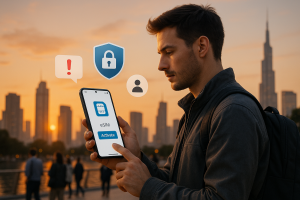

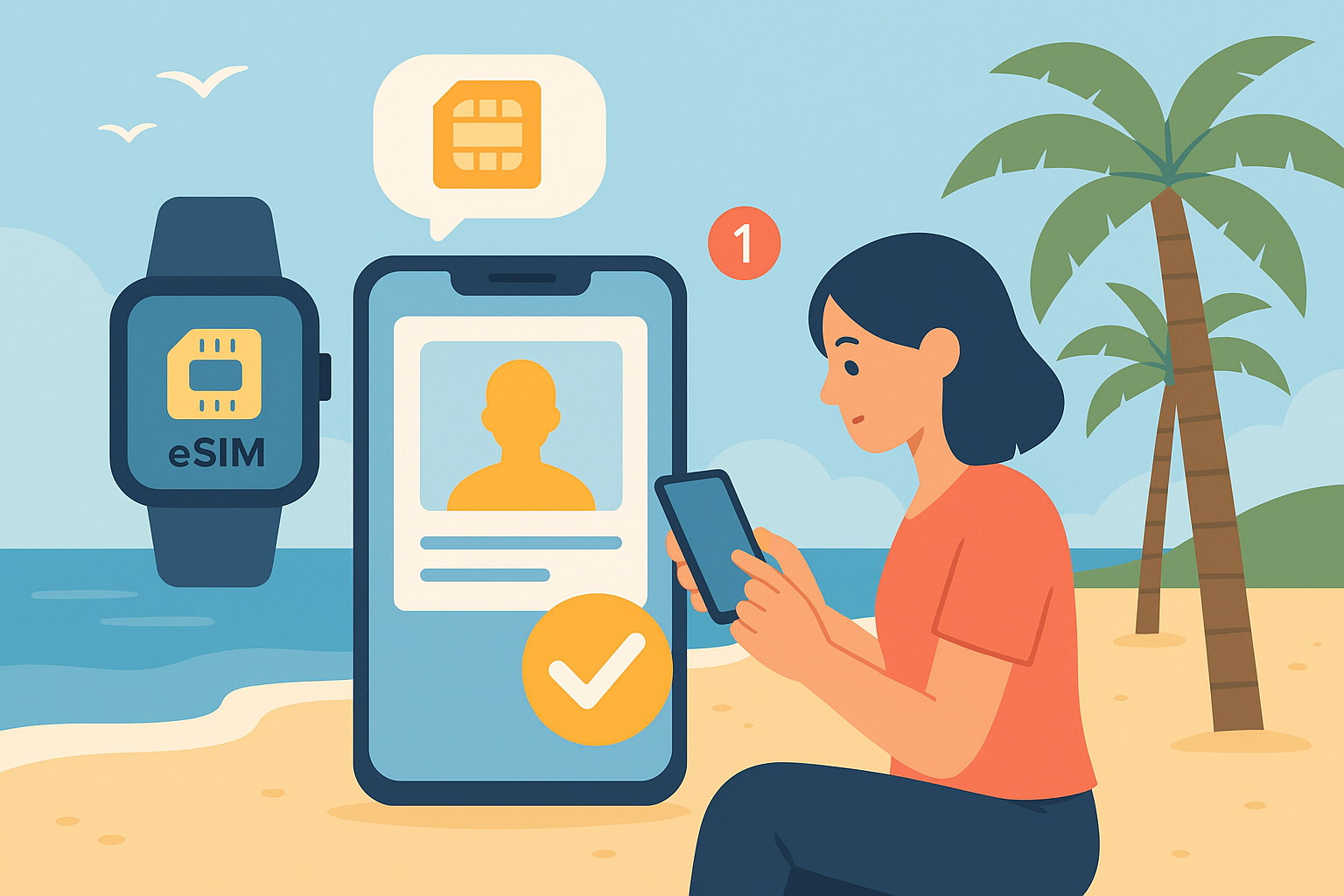
For expatriates living abroad, staying connected is not just about convenience—it’s a necessity. Whether it’s maintaining contact with family back home, managing a remote job, or navigating a new local infrastructure, communication plays a central role in the expatriate lifestyle. As mobile technology evolves, traditional SIM cards are rapidly being replaced by eSIMs, offering greater flexibility, better connectivity, and seamless digital integration. At esimm8.com, we understand these unique needs. This case study outlines a practical, step-by-step path to help expats understand how to get a phone number on eSIM, with real-world scenarios and digital insight.
Understanding the eSIM Revolution
Before we delve into the steps, let’s establish what an eSIM is. Short for “embedded SIM,” eSIM technology eliminates the physical plastic SIM card. Instead, your device contains a rewritable chip that can be digitally programmed with network credentials. This means you can switch operators, plans, and even countries—without needing to swap SIM cards.
For expats, this revolution means an end to the airport queue for local SIM cards, confusing APN configurations, or waiting for SIM delivery. It makes the process of acquiring a local phone number on eSIM fast, intuitive, and remote-friendly. Whether you’re living in Berlin, Bali, or Buenos Aires, the process is quicker and more flexible than ever.
Case Study Overview: Meet Alex, a Digital Nomad in Portugal
To bring this guide to life, let’s walk through a real-world scenario. Meet Alex, an American software developer who relocated to Lisbon, Portugal for a two-year contract. He needed a local phone number to set up utilities, register residency, and communicate daily. But he also needed to maintain his U.S. number for two-factor authentication and personal conversations.
Alex opted to use eSIM technology through esimm8.com. His journey is a perfect example of how digital natives and expatriates alike can navigate the process with confidence, efficiency, and flexibility.
Step 1: Check Device Compatibility
The first and most crucial step is ensuring your device supports eSIM. Most modern smartphones are now eSIM-ready, including recent models from Apple, Google, and Samsung. Alex’s iPhone 13 Pro Max was well-suited for the task.
What you need to check:
- Does your device support eSIM?
- Is your device carrier-unlocked?
- Is your OS up-to-date to support carrier profiles?
Alex confirmed that his device was compatible and unlocked—a green light to continue.
Step 2: Choose a Local Carrier or eSIM Provider
Alex discovered that instead of browsing confusing airline magazine ads or navigating Portuguese-language telecom websites, using a specialized provider like esimm8.com streamlined things remarkably. We offered him vetted carriers, clear process flows, and customer support in English.
Alex selected a Portuguese network plan that included voice, data, and SMS—all needed to activate a local phone number.
Step 3: Purchase and Configure Your eSIM
Once Alex selected his preferred plan, he purchased the eSIM directly from esimm8.com. Immediately following payment, he received a unique QR code and activation instructions.
Here’s what’s typically needed:
- Stable internet (Wi-Fi or mobile)
- Your eSIM-compatible device
- A backup power source (long processes can drain batteries)
Alex scanned the QR code via his device settings (Settings > Mobile Data > Add Data Plan), confirmed network selection, and within minutes, his eSIM startup profile was live.
Step 4: Activating a Local Phone Number
Installing an eSIM doesn’t automatically assign a phone number—you still need to register your identity with a local carrier. Portugal, like many EU countries, requires identity verification before distributing numbers due to data protection laws.
Because Alex used esimm8.com, our platform handled this for him through a simple passport upload and selfie verification process. Once verified, his local Portuguese phone number was assigned, allowing him to:
- Open a local bank account
- Register for expat health services
- Receive SMS for local transportation, COVID alerts, etc.
Step 5: Managing Multiple Numbers: Dual SIM Heaven
Alex didn’t want to lose access to his U.S. number. Fortunately, eSIMs support dual-SIM functionality. He maintained his U.S. number as a physical SIM and used his new Portuguese number as the eSIM.
He could route personal and business calls separately, assign different data policies per number, and even toggle which number is used for cellular data—all from the comfort of his phone settings.
Step 6: Troubleshooting and Support
Alex ran into a hiccup during initial activation—his activation SMS failed due to local carrier downtime. Thankfully, esimm8.com offers 24/7 multilingual support, and the problem was resolved under 30 minutes.
Pro Tip: Work with an eSIM provider that offers proactive human support—not just automated chatbots. Your time zone and language should never be barriers to staying online.
Step 7: Maintain and Switch Easily
Six months into his stay, Alex needed to visit Berlin for a contract extension. A traditional SIM would have meant buying a new card offline. Instead, he suspended his Portuguese carrier and picked up a short-term German eSIM plan via esimm8.com.
He simply repeated the QR configuration process, and within five minutes, had a valid German number. No hardware changes. No phone unlocks. Zero paperwork.
Top Benefits for Expats Using eSIM
If Alex’s story hasn’t convinced you yet, here are the broader advantages that expats report when adopting eSIM tech:
- Remote activation – No in-person kiosk required
- Carrier flexibility – Change networks on the go
- Multiple profiles – Business and personal in one phone
- Security first – No loss of SIM, no physical tampering
- Eco-conscious – eSIMs reduce plastic and shipping waste
From a digital industry lens, the capacity for instantaneous mobile connectivity—regardless of geography—is a cornerstone to the way expats navigate modern society.
How to Get a Phone Number on eSIM with esimm8.com
Whether you’re relocating, traveling, or just seeking flexibility, securing a phone number via eSIM takes just a few clicks. The journey isn’t just about staying connected—it’s about living more freely, moving more confidently, and embracing your digital independence.
Ready to begin?
- Confirm your device’s compatibility
- Head to esimm8.com
- Select your destination and data plan
- Verify identity if required
- Activate your eSIM instantly via QR code
- Start using your new local number—immediately
Alex’s case is just one in thousands. Every day, more people discover how to get a phone number on eSIM and shed the limitations of legacy mobile infrastructure.
Conclusion: eSIM is Empowering the Global Citizen
Connectivity isn’t just about chips and carriers—it’s about freedom. For expatriates, eSIM bridges the gap between continents, cultures, and connections. It simplifies mobility, enriches digital participation, and supports a lifestyle untethered from borders.
At esimm8.com, we’re more than a provider—we’re a partner in your global journey. From Lisbon to Tokyo, Cape Town to Toronto, we’re reimagining global mobile, empowering you to stay agile, authentic, and always online.
Found this useful? Share this post with your network and empower others to navigate the digital world, one eSIM at a time.