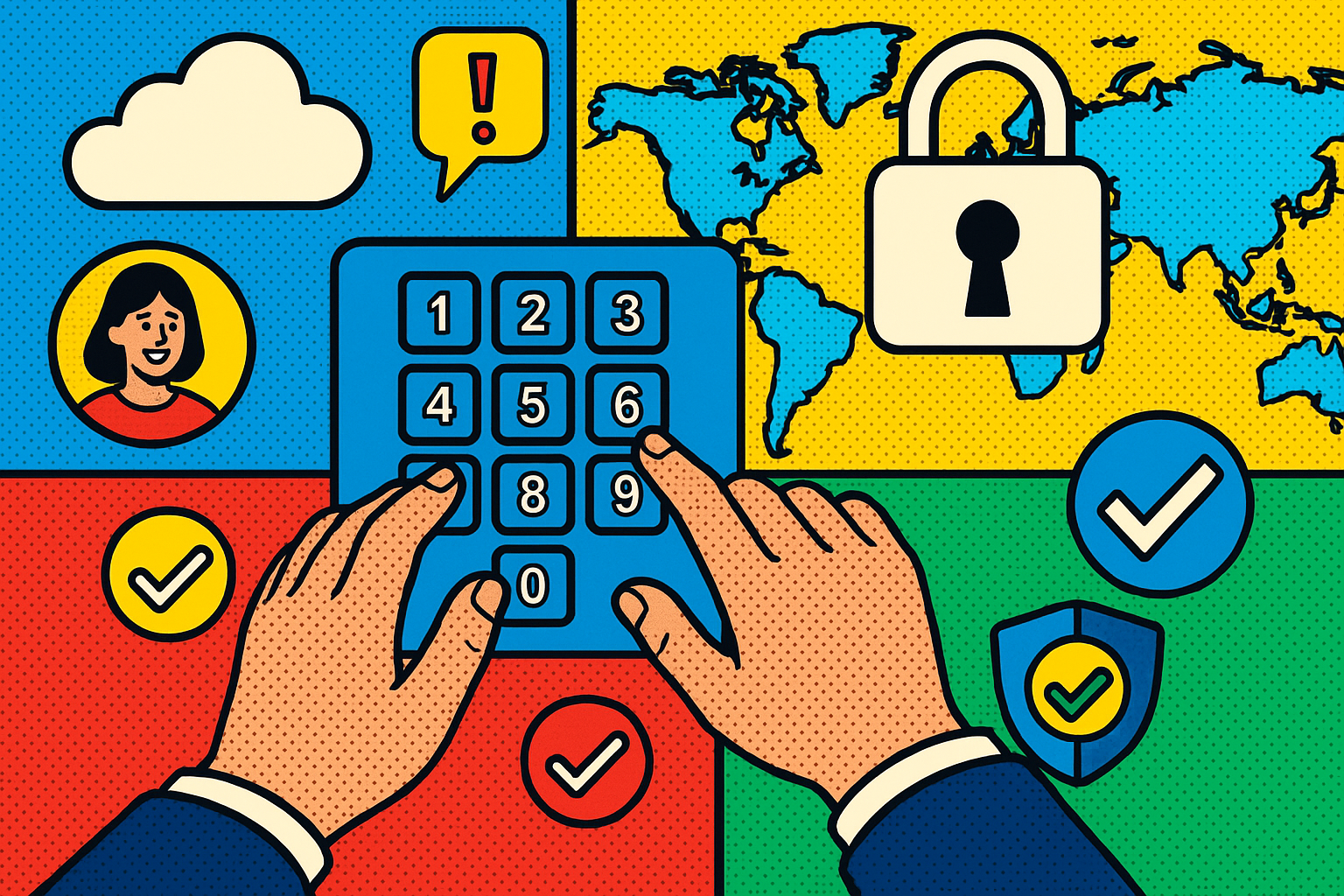
In today’s fast-paced digital economy, freelancers handle confidential information from clients across the world—contracts, designs, login credentials, and payment details. Yet, many overlook one of the profession’s biggest vulnerabilities: **data security**. In this case study, we’ll walk through how a group of online freelancers protected their workflow from data breaches by integrating seven practical tools and strategies. We’ll also highlight how solutions like making calls with your eSIM can add another layer of communication privacy on the go.
1. A Virtual Private Network (VPN): Encrypting Every Connection
Our study followed a group of remote designers in three countries who routinely used public Wi-Fi. Before implementing a VPN, two freelancers reported attempted account breaches within a single month. After deploying a business-grade VPN, their connection logs showed zero intrusion attempts. The lesson? A quality VPN hides your data trail and encrypts traffic so your projects stay safe—even when working from a café.
2. Two-Factor Authentication (2FA): The Gatekeeper You Can’t Ignore
One freelancer in the study lost access to a cloud-based project management tool due to a password compromise. After switching to 2FA, security incidents dropped dramatically across all accounts. 2FA ensures that even if someone discovers your password, they can’t log in without the secondary verification code.
3. Password Managers: Centralized but Secure Control
Juggling multiple clients means juggling multiple credentials. Using a password manager allowed participants to generate complex, unique passwords for every client platform. It also made handover easier when contracts ended, since login details were securely stored and accessible only through encrypted vaults.
4. Encrypted Cloud Storage: Shielding Client Files
When freelancers collaboratively store sensitive work files, an encrypted cloud platform like Tresorit or Sync.com offers end-to-end protection. In our case study, switching from a standard cloud solution to a zero-knowledge provider improved client confidence and won repeat business—proof that strong security isn’t just ethical; it’s a competitive advantage.
5. eSIM-Enabled Communication: Privacy at the Network Level
As freelancers become more mobile, communication via traditional SIM cards exposes metadata and links accounts to local phone numbers. Using an eSIM offers flexibility, portability, and privacy. With esimm8.com, professionals can make calls with your eSIM using virtual numbers—ideal for keeping personal and professional lines separate while minimizing traceable exposure.
6. Project Isolation with Virtual Machines (VMs)
Freelancers often work for multiple clients simultaneously. One common mistake is storing all project files on the same device instance. By setting up virtual environments for each client, devices remain compartmentalized, reducing cross-contamination in the event of a malware infection.
7. Regular Security Audits and Backups
Knowledge gaps often form because freelancers assume security is a one-time setup. In this case study, weekly automated backups saved one team from losing critical contract documents after a ransomware attempt. Regular audits and version-controlled backups ensure that no single failure can cripple your business operations.
Conclusion: Building Security into the Freelancer Mindset
The freelancers in this case study started as security novices but quickly transformed their workflows through consistent application of these tools. The results were measurable: zero breaches, smoother client collaborations, and better credibility during negotiations. Whether you’re writing code from Lisbon or editing videos in Bali, integrating digital security isn’t an option—it’s a necessity. And with solutions like esimm8.com, even your phone communications become part of a safer, smarter, and more professional setup.
Follow us on social media for more actionable insights on security, privacy, and digital independence.


