

Picture this: you’ve just deployed a cutting-edge app that relies on embedded connectivity. Everything works perfectly in the sandbox—until you realize that your project needs to handle live calls, messages, or verifications in the real world. That’s where understanding how to add a real number to your eSIM becomes essential. Don’t worry—this guide will walk you through it like a friendly mentor sharing coffee and code.
Step 1: Understand What an eSIM Really Does
Before diving into configuration, remember that an eSIM isn’t just a chip—it’s a digital profile that connects users to mobile networks without needing a physical SIM card. For developers and integrators, this means accessibility, flexibility, and faster deployment cycles. Think of it as your project’s invisible link to global connectivity.
Step 2: Choose Your Provider and Platform
Platforms like esimm8.com simplify the integration process by offering APIs that let you effortlessly manage digital profiles. When evaluating providers, pay attention to their developer tools, coverage options, and ease of onboarding. A good provider feels like a partner, not a gatekeeper.
Step 3: Add a Real Number to Your eSIM
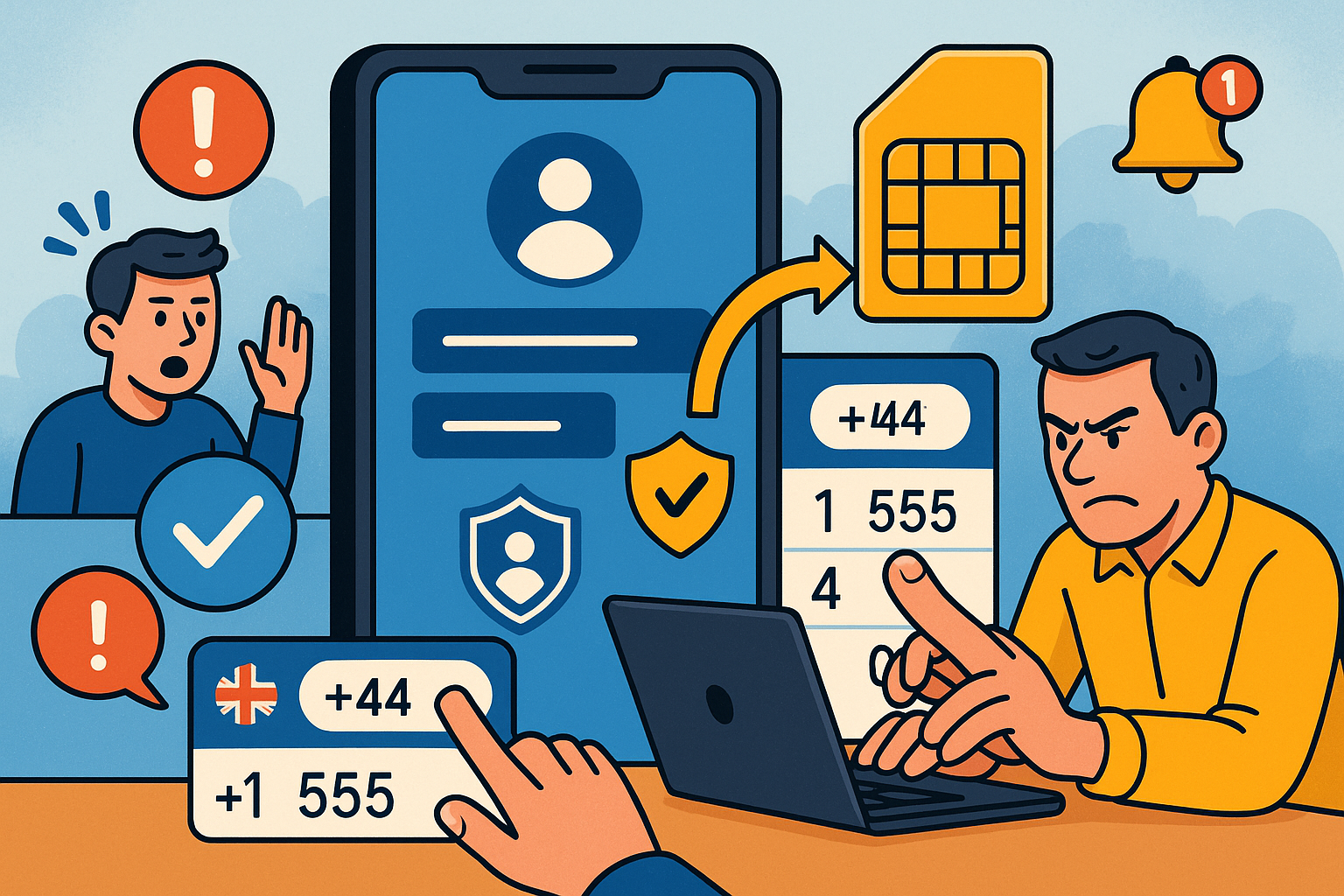
Once you’re ready, provisioning a number is as straightforward as binding an identity to a profile. Using your platform’s dashboard or API, you’ll activate the profile, associate a unique phone number, and validate its status. The magic is that you can do all this programmatically—without touching any hardware. This transforms your eSIM into a real, working connection point for your app or IoT device.
Step 4: Test, Iterate, and Scale
Testing is where things get exciting. Send messages. Place calls. Simulate network handoffs. Each test helps iron out edge cases before mass deployment. Once stable, scaling becomes a question of replicating a clean integration flow—something that’s easy when automation is at the heart of your design.
By mastering how to add a real number to your eSIM, you’re not only enhancing your products—you’re unlocking a future where connectivity is code. So keep experimenting, keep pushing boundaries, and let the digital world adapt to you.
Subscribe for updates from esimm8.com to stay ahead on all things digital connectivity.


