As an online freelancer, your mobile connection is your lifeline—powering everything from video calls with clients to sending invoices and verifying bank transfers. But in an era defined by rising cybersecurity threats and digital surveillance, traditional SIM cards may be quietly undermining your digital privacy. Today, we delve into how switching to eSIM technology not only future-proofs your work but makes it significantly more secure—and how you can easily get started with platforms like esimm8.com.
Understanding the Hidden Risks of Traditional SIM Cards
Most people don’t realize that physical SIM cards pose various vulnerabilities. Over 2 billion mobile subscribers have experienced SIM swap fraud in the last five years. According to the Global System for Mobile Communications Association (GSMA), physical SIM cards can easily be removed, cloned, or used in unauthorized devices if lost or stolen. For digital professionals, where two-factor authentication and encrypted apps rely on mobile verification, this is a glaring risk.
Furthermore, traditional SIM cards are tied to carrier infrastructure, which often lacks the agility—or incentive—to prioritize individual user privacy. A 2023 Stanford study found that major telecom providers in North America collect and retain metadata long past necessary operational use, including your location history and usage habits.
The eSIM Advantage: Security and Beyond
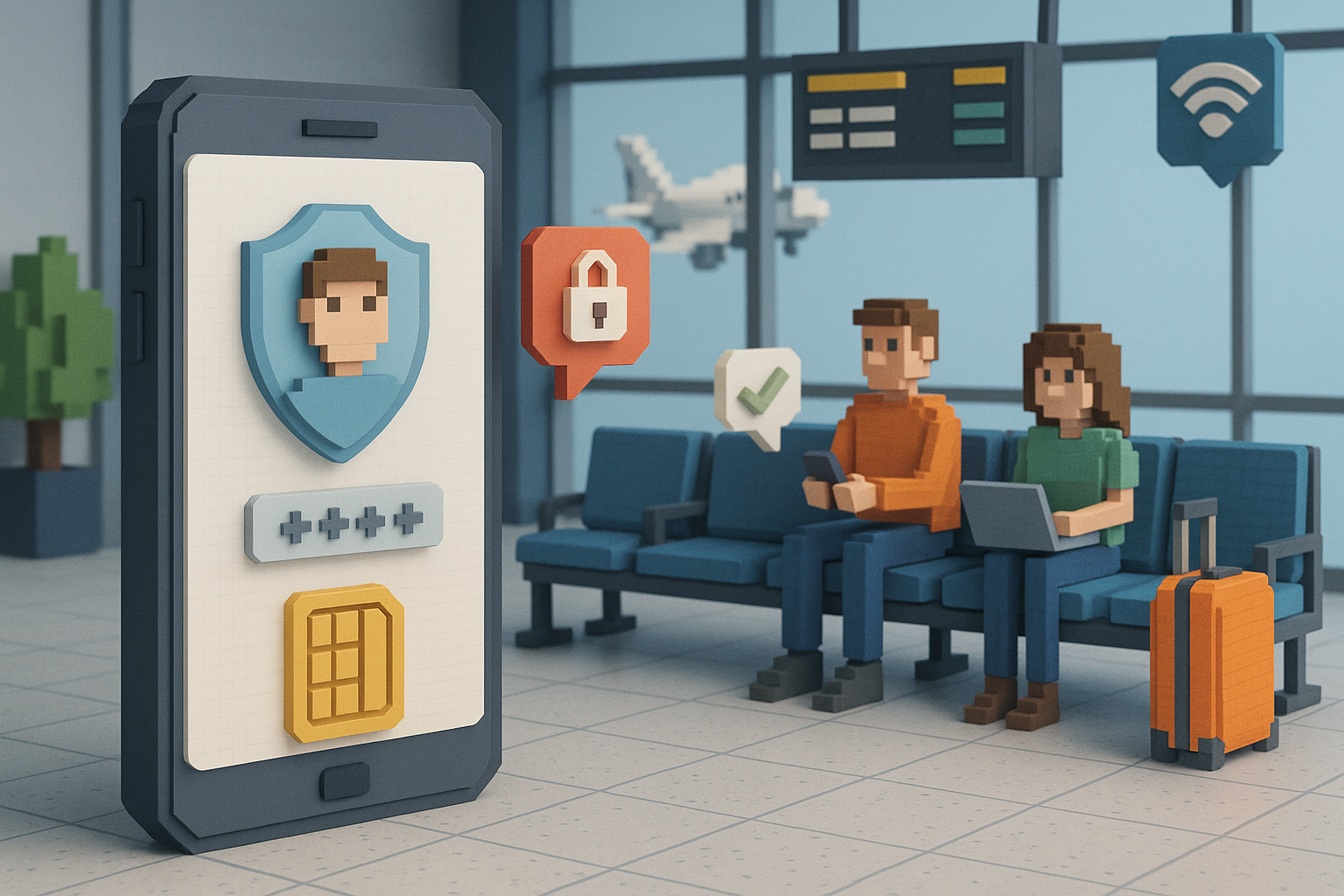
Enter eSIM—a game-changing technology that redefines what it means to stay connected securely. Unlike traditional cards, an eSIM is embedded within your device and cannot be easily removed, stolen, or lost. More importantly for freelancers living a borderless lifestyle, eSIMs allow for remote provisioning. You can change or update carriers without visiting a store or handling a physical chip.
According to Juniper Research, eSIM adoption in consumer mobile devices is expected to exceed 3.4 billion by 2025, largely due to the security and flexibility it offers. For freelancers, this means you can maintain multiple profiles for various regions or clients—reducing digital traceability while maintaining productivity.
How eSIM Enhances Digital Privacy Specifically for Freelancers
Freelancers often work from co-working spaces, coffee shops, or entirely different countries. Each of these environments introduces new Wi-Fi networks and increased exposure points. What makes eSIM powerful is its compatibility with advanced VPN services and encrypted communication apps—giving you a more secure baseline mobile network wherever you are.
Services like esimm8.com are stepping in to simplify how you transition to this technology. You can learn how to get a phone number on eSIM in just minutes, with the entire process managed online and often costing less than traditional carrier packages. Freelancers can also activate local numbers when moving between countries, minimizing roaming charges while staying shielded from identity exposure typically linked to multinational usage.
Actionable Tips for Getting Started with eSIM
- Audit your device: Check if your smartphone or tablet supports eSIM. Most modern devices—from iPhones (XR and later) to Google Pixel and Samsung Galaxy (S20 and newer)—do.
- Choose a secure partner: Avoid public Wi-Fi reliance by selecting an eSIM provider that offers encrypted data plans and anonymous activation. esimm8.com allows multi-country coverage and secure provisioning with minimal personal information.
- Use regional profiles: Set up separate eSIM profiles for client regions to enhance data privacy and keep business communications isolated by geography.
- Backup your credentials: eSIM activation codes often come via QR or encrypted text—backup these securely using a password-protected cloud vault or secure notes app.
- Integrate with security tools: Pair your eSIM with VPNs, encrypted messaging apps, and biometric-based authentications for an all-around fortified mobile experience.
Data Doesn’t Lie: eSIMs and the Security Revolution
Consider this: a 2022 study by Ericsson Mobility Report revealed that users switching to eSIM report a 45% increase in mobile security satisfaction. Another survey by IDG found that 67% of freelancers cited eSIM-enabled devices as vital to their remote business continuity plans.
This isn’t hype. It’s a tangible shift in digital empowerment—and as an independent professional, these tools give you control over the way your data is handled and shared.
At esimm8.com, we’re proud to lead this secure transformation. Whether you’re coding in Cape Town or designing in Dubai, knowing how to get a phone number on eSIM isn’t just about convenience—it’s about protecting your digital autonomy in a connected world.
Explore our services today and put privacy first—because your freelance future deserves a secure foundation.


