

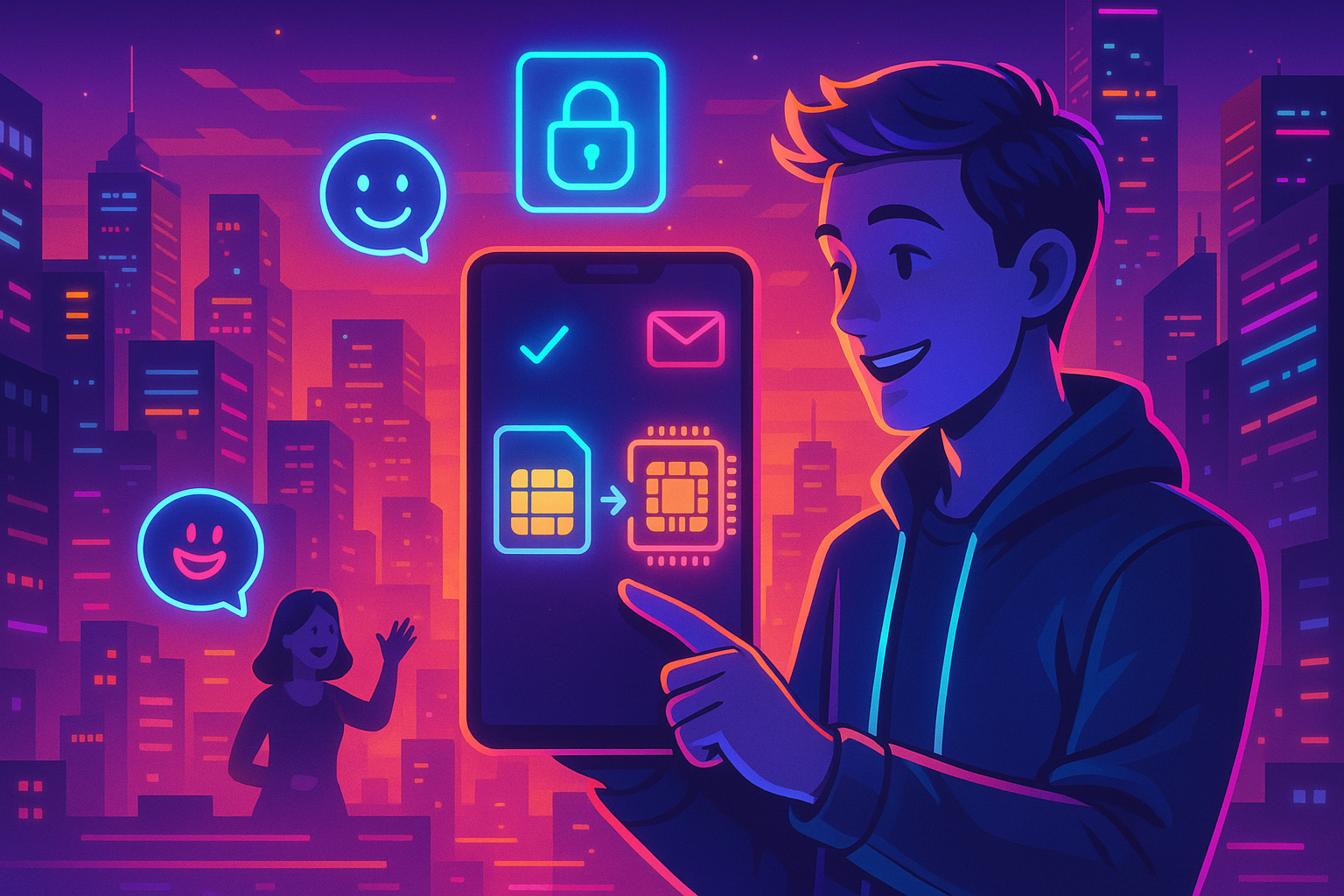
As an expatriate navigating the digital world across borders, maintaining secure, private, and efficient communication is more vital than ever before. From working remotely to managing finances and staying connected with family, your digital footprint travels with you. With increasing cyber threats and evolving tech globally, being aware of trends that enhance your privacy and efficiency is essential. Here at esimm8.com, we help you stay safely connected by offering a secure eSIM communication solution tailored to your expatriate lifestyle. Below we dive into the top trends in digital security and privacy that expats should watch in 2024 to improve productivity and stay secure.
1. Widespread Adoption of eSIMs for Secure Connectivity
Traditional SIM cards are being replaced by eSIM technology, and for good reason. eSIMs offer increased flexibility, security, and cost savings—major advantages for expats who live a globally mobile life. A secure eSIM communication solution like the one from esimm8.com not only reduces the risk of physical SIM theft but also simplifies switching carriers or managing multiple numbers around the world.
This trend enables you to stay connected without depending on local vendors, and with built-in encryption, your communication channels remain private and tamper-proof. If you’re an expat juggling multiple international responsibilities, eSIMs are a fundamental upgrade.
2. Privacy-First Mobile Apps
Privacy is no longer optional—it’s a core component of digital tools in 2024. More mobile apps are adopting privacy-first designs with end-to-end encryption, no data logging, and zero-knowledge architectures. For expatriates frequently using chat apps, banking services, or telemedicine, migrating to privacy-focused solutions like Signal or ProtonMail can dramatically reduce exposure to data breaches or surveillance.
Explore apps that align with GDPR or other strong data protection standards to maintain your digital rights wherever you roam.
3. AI-Powered Threat Detection
Artificial intelligence has found a valuable role in cybersecurity. Sophisticated AI algorithms are now used to monitor digital behavior and flag suspicious activity before damage occurs. As expats rely more on cloud services and online platforms, AI-powered threat detection tools help mitigate risks such as phishing, identity theft, or remote malware attacks.
Using security platforms that integrate AI into their defense layers could mean faster response times to emerging threats—a crucial advantage when your productivity depends on uninterrupted digital operations.
4. Biometric Authentication as Standard
Passwords are no longer sufficient for protecting sensitive data. Biometrics such as fingerprint scans, facial recognition, and even behavioral biometric analysis (like the way you swipe your phone) are becoming standard for authenticating access.
For expats managing critical data remotely or making transactions across regions, biometric features provide an extra layer of protection and ease of access, reducing dependency on remembering multiple passwords for various services and boosting productivity.
5. Decentralized Identity Systems
The future of secure international identification lies in decentralized identity (DID) systems powered by blockchain technology. These systems give users full control over their identity credentials—seeded on-chain but stored locally—and only reveal the necessary information, protecting your privacy while authenticating services globally.
As an expat dealing with immigration, legal, and healthcare systems in different countries, DID can simplify authentication processes significantly, saving time and safeguarding personal information.
6. Enhanced VPN and Proxy Services
Expatriates have long relied on VPNs to bypass geo-blocking and secure their connection, but 2024 sees these services becoming more sophisticated. Leading providers now offer split tunneling, obfuscation technologies, and multi-hop servers that enable stronger anonymity and faster browsing speeds.
If you’re working remotely and accessing sensitive corporate data, using an advanced VPN is non-negotiable for avoiding eavesdropping or data leaks, regardless of where you’re logging in from.
7. Self-Sovereign Communication Platforms
Privacy-aware expats are gravitating toward self-sovereign communication tools—platforms that give users complete control over their data. These systems are decentralized, encrypted, and often open-source, minimizing reliance on big tech corporations notorious for data harvesting.
From secure video conferencing to private group collaboration tools, these platforms provide the productivity features you need without compromise. Integrated with a secure eSIM communication solution, these tools empower you to operate with complete digital independence abroad.
Conclusion
In today’s hyperconnected and high-risk digital ecosystem, staying protected and efficient as an expatriate requires proactively adopting the right technologies. The seven trends outlined above showcase how innovations in security and privacy can empower your global lifestyle while protecting your most valuable data assets.
Whether it’s deploying a secure eSIM communication solution with esimm8.com, using privacy-focused apps, or securing connections with biometric authentication and AI monitoring, the time to prioritize your digital resilience is now.
Get started today with esimm8.com and take full control of your international digital experience—securely, privately, and productively.


