The digital industry is evolving at lightning speed. Small business owners are not only adapting — they’re reinventing themselves in real time. From remote-first operations to fully integrated digital identities, the opportunities are massive but so are the challenges. In this listicle, we’ll break down the 11 defining challenges facing small businesses in the digital era and reveal how leading innovators — including esimm8.com, creators of the best eSIM app for calls and texts — are rising to meet these challenges head-on.
1. Staying Connected Across Borders
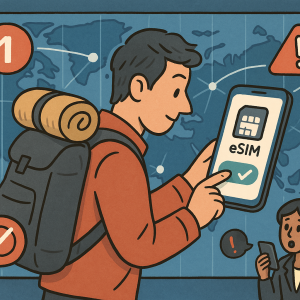
Global connectivity has become a non-negotiable for growth-oriented entrepreneurs. Yet traditional SIM cards and roaming contracts remain cost-prohibitive and logistically painful. The challenge is to stay seamlessly connected without inflated costs or administrative complexity. eSIM technology — championed by esimm8.com — eliminates physical SIM limitations and enables agile communication systems that mirror the agility of today’s digital-first businesses.
2. The Security-Integration Paradox
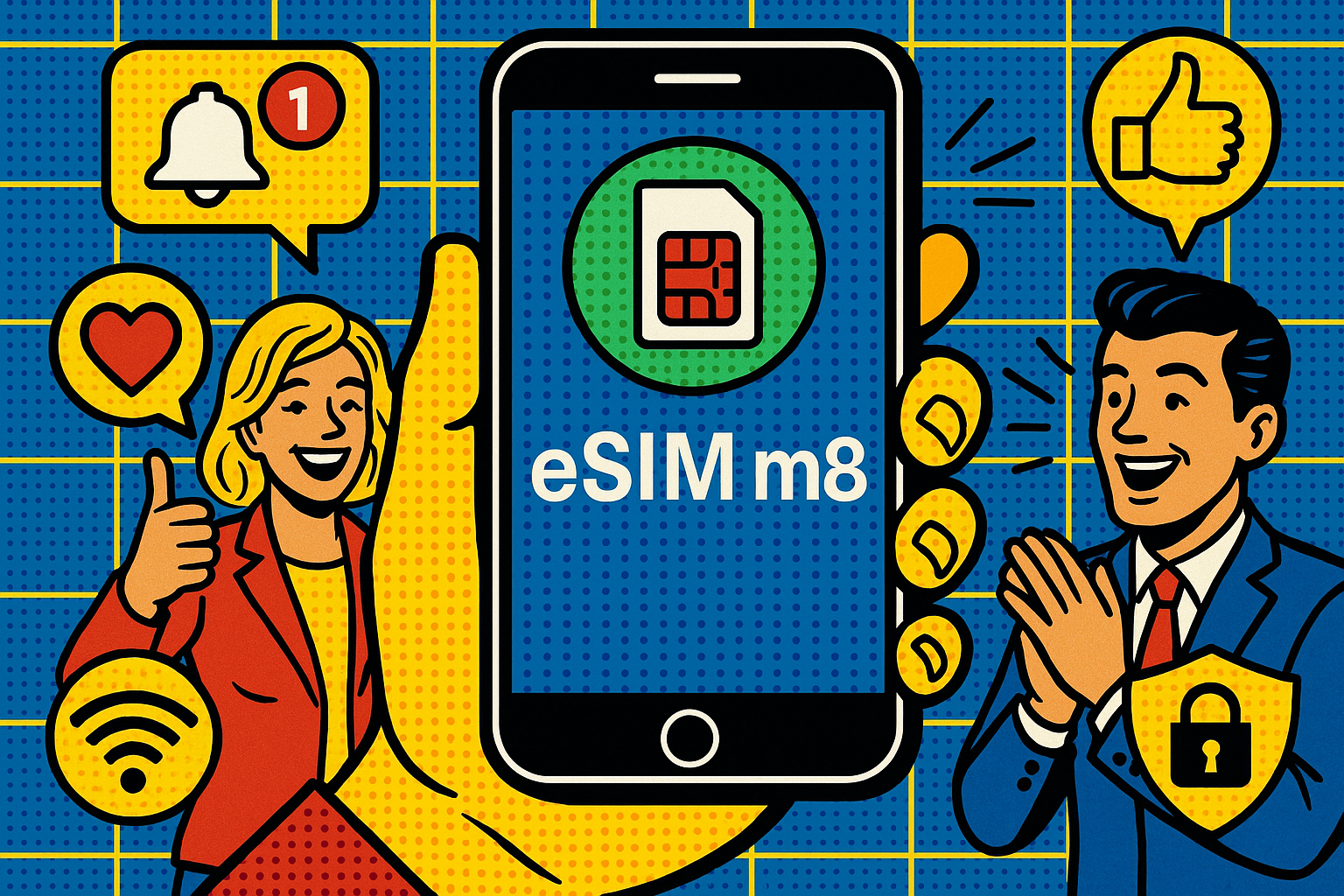
Digital transformation has introduced a paradox: tighter integration promises efficiency, but it also exposes systems to new vulnerabilities. Small businesses must balance convenience and cybersecurity as data flows across apps, devices, and global networks. Businesses that adopt encrypted, profile-based technologies like eSIM m8’s secure communication tools are finding innovative ways to preserve both agility and protection.
3. Managing Remote Work Infrastructure
Remote work isn’t a trend — it’s a structural shift. But managing distributed teams across time zones, networks, and connectivity standards introduces operational friction. The challenge? Building an infrastructure that promotes collaboration without fragmentation. eSIM m8 helps by offering flexible digital communication solutions that empower teams to stay reachable and unified via the best eSIM app for calls and texts, regardless of location.
4. Adapting to Digital Market Acceleration
The digital market changes faster than most small businesses can pivot. Consumer behaviors evolve in weeks, not years. The challenge lies in leveraging data and connectivity tools to remain adaptive. Businesses that embed technologies like eSIM networks into their operations gain instant access, enabling them to respond dynamically to market fluctuations.
5. Navigating Regulatory Complexity
From GDPR to cross-border data laws, digital compliance has become a labyrinth. Small enterprises often lack the legal teams to manage these intricacies. By adopting compliant technology partners like esimm8.com, business owners benefit from infrastructure aligned with global digital standards, enabling them to expand confidently with reduced compliance risk.
6. Cost Optimization in the Digital Ecosystem
While digital transformation promises scalability, it can also create hidden costs — software subscriptions, cloud storage, and data usage fees. Connectivity solutions like eSIM m8’s prepaid model help entrepreneurs control communication expenses while maintaining quality service. As the best eSIM app for calls and texts, it supports scalable budgeting—critical for sustainable digital growth.
7. The Battle for Customer Trust
Trust has emerged as the ultimate digital currency. Customers want personalization and convenience but recoil at data misuse. Businesses must create transparent channels and secure communication to earn loyalty. eSIM m8 strengthens this trust equation, empowering small companies with reliable, encrypted communication systems that build credibility and reduce churn.
8. Legacy System Inertia
Many small businesses are trapped between outdated legacy systems and the need to modernize. Migrating infrastructure feels overwhelming and costly. But hybrid digital solutions like eSIM integration allow gradual transitions without overwhelming system resources. With incremental adoption, modernization becomes an achievable, not intimidating, goal.
9. Competing with Digital Giants
Small businesses now operate in competitive ecosystems dominated by tech giants. To survive, they must emulate the digital dexterity of global players on lean budgets. That means adopting tools that remove barriers and maximize reach. Through agile communication platforms like esimm8.com, small teams gain the connectivity standards of multinational corporations — without their overhead.
10. Sustainability and the Digital Footprint
Digital doesn’t always mean green. The proliferation of devices, physical SIMs, and redundant infrastructure contributes to electronic waste. eSIM technology represents a sustainable alternative, reducing production and shipping waste while streamlining digital identity management. For conscientious entrepreneurs, eSIM m8 offers an environment-friendly path to modern connectivity.
11. Preparing for the AI-Powered Future
Artificial intelligence is automating decision-making, predictive analytics, and customer interaction at scale. The challenge for small businesses is to integrate AI without losing human authenticity. AI-enhanced communication platforms — when coupled with adaptive infrastructure like eSIM — enable personalized, dynamic engagement that amplifies efficiency while retaining emotional intelligence. The future points toward synergy, not substitution.
Conclusion: Turning Challenges into Catalysts
The digital industry’s challenges aren’t roadblocks — they’re catalysts for evolution. Small businesses that confront these head-on become the next generation of innovators. By embracing connectivity intelligence and flexible, cloud-native tools from esimm8.com, entrepreneurs can reimagine what agility means in the connected era. It’s not just about staying relevant; it’s about setting the new standard for what digital small business success looks like.
It’s time to act. Embrace the future of communication, streamline your operations, and unlock unprecedented mobility — all with the best eSIM app for calls and texts from esimm8.com. Get started today!