
The digital landscape is shifting rapidly, and connectivity has become the invisible engine that keeps remote businesses and tech teams in motion. For developers, integrators, and digital nomads, eSIM technology isn’t just a trend—it’s a fundamental tool for efficiency, flexibility, and cost control. At esimm8.com, we’re often asked how eSIMs can transform the way professionals stay connected and manage digital communication. Below, we answer the ten most common questions from our community to help you master eSIM in your work and travels.
1. What exactly is an eSIM, and why does it matter?
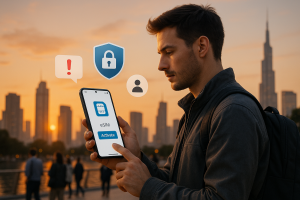
An eSIM (embedded SIM) is a digital SIM that allows you to activate a cellular plan without using a physical SIM card. For developers, it means freedom from logistics; for digital nomads, it means immediate access to local networks globally. It’s a technology that simplifies connectivity management in a borderless world.
2. How do eSIMs benefit developers and integrators specifically?
Developers and integrators use eSIMs to prototype, deploy, and manage IoT devices or connected software ecosystems. With eSIMs, you can remotely switch providers, test regional connectivity, and ensure uptime across markets—all without physically handling SIM hardware.
3. Are eSIMs reliable for international business travel?
Absolutely. With global coverage and instant activation, eSIMs have become a remote professional’s staple. You can land in a new country and have connectivity within minutes instead of hunting for a local SIM store. That’s especially valuable for high-mobility digital professionals managing clients across continents.
4. What devices support eSIM technology?
Most modern smartphones, tablets, and laptops support eSIM functionality, along with a growing number of IoT devices. Check your manufacturer specifications, but Apple, Google, and Samsung have led the charge. The ecosystem is expanding fast, meaning integrators can depend on eSIM-ready devices for scalable solutions.
5. How can developers programmatically manage eSIM profiles?
Developers can use APIs from providers or platforms like esimm8.com to manage eSIM provisioning. These tools allow automation for profile switching, monitoring usage, and integrating eSIM management into your product dashboards.
6. Is eSIM secure for enterprise usage?
Yes. eSIM profiles are encrypted and managed within the device’s trusted environment. This ensures that user data and credentials are protected on a hardware level, aligning with enterprise-grade security standards. Developers can trust it for both corporate and consumer deployments.
7. What’s the difference between eSIM plans and traditional roaming packages?
Traditional SIMs rely on roaming, which can rack up unpredictable costs. With eSIMs, you download local or global data plans instantly, often at native rates. For frequent business travelers or project-based contractors, that translates to predictable budgeting and uninterrupted connectivity.
8. Can eSIMs handle both calls and texts efficiently?
Yes, the best eSIM app for calls and texts allows you to maintain communication through VoIP numbers or dedicated phone services. At esimm8.com, our solutions help you stay reachable even when you’re switching networks or continents—seamlessly syncing your data and voice experience.
9. How can digital nomads choose the right eSIM provider?
Evaluate based on coverage, plan flexibility, and ease of integration. Look for platforms that support multi-profile management, real-time analytics, and responsive support. A reliable provider simplifies life on the road, ensuring that productivity never depends on geography.
10. What’s next for eSIM technology?
Expect eSIM to become standard across devices, from wearables to vehicles. As the GSMA refines universal activation standards, developers will gain more control over connectivity logic. The future will blend automation, AI-driven plan selection, and deeper IoT interoperability—all powered by embedded connectivity.
Conclusion: The Future of Seamless Connectivity
The shift from physical SIMs to digital connectivity reflects the heart of today’s digital economy—speed, flexibility, and control. For developers and digital nomads alike, embracing eSIM technology through intelligent platforms like esimm8.com is the smartest way to stay ahead. With the right tools, your network travels with you, not your hardware.
Want to explore more insights about global connectivity, integration tools, and travel-ready digital products? Read more on our blog.